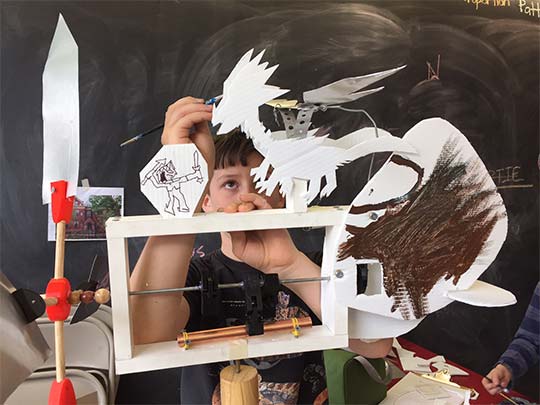


The Artists in Education Residency Grant Program (AIE) places highly qualified professional artists in schools for 20 days or more. The residencies occur during the school day and are designed to enhance arts education for students and faculty. Any New Jersey public, private, charter, or parochial school serving grades Pre-K through 12 is eligible to apply...
TESTIMONIALS
Benefits for Teachers and Students Alike
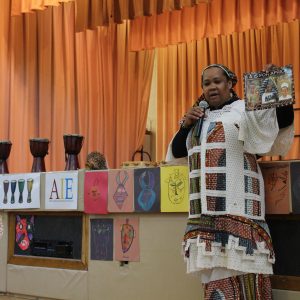
“Teachers feel more equipped to infuse dance and drama into their curriculum, specifically with story elements and retelling. This residency instilled more confidence into teachers to try new elements of performance arts while still meeting the goals of our curriculum.”
AIE Builds Bridges To Community
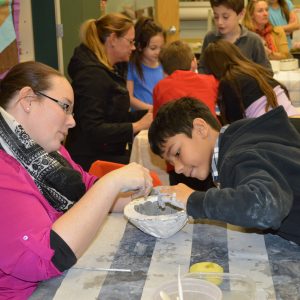
“These projects raise our school’s profile in the community and help earn us the reputation of being a place where interesting and dynamic things are happening, where we foster a culture of the arts. This generates a lot of pride for staff and students. Graduated students often return and talk about their emotional connection and engagement with the school and the arts within the context of past grants.”
Embedded Social Emotional Learning
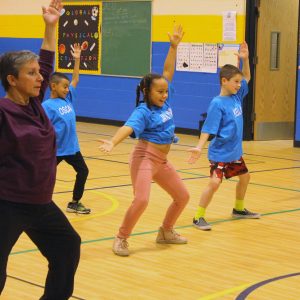
“I learned that it is okay to be yourself.”
Arts Integration Impacts Student Learning
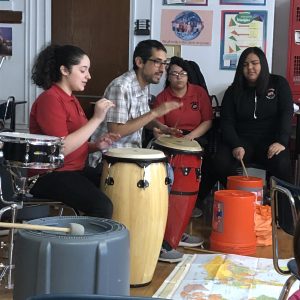
“American History in Mr. Morgan’s class will never look the same. The residency has heightened his awareness of how arts integration impacts student learning. Typical coursework merged with the arts, created multiple opportunities for connections, allowed for a deeper personal experience with the material, and enhanced retention of course content beyond the final exam.”
Creativity Without Boundaries
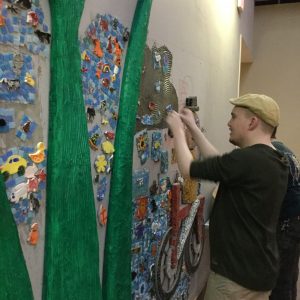
“The children were able to be as creative as they wanted to be with no boundaries. We learned that it’s okay to get dirty, and we learned how to express our creativity through art. We will use this in our classroom by letting them be creative, and also letting them know it’s okay that everyone’s art is not the same.”
Arts at the Center of Learning
The Artists in Education (AIE) Residency Grant Program brings unique, dynamic, in-depth arts education programs to schools across New Jersey. Since 1971, AIE has been dedicated to bringing teaching artists and educators together in powerful, long-term residencies to help students and teachers engage in and learn about the creative process.